


The Role
A woman is rarely without a role.
Some are offered to her. Some are projected onto her. Some are mistaken for who she is. Some are useful for a while, until they become too small.
The question is not whether she plays a part.
The question is who wrote it.
There is a difference between being cast and choosing the role. Between wearing what is expected and stepping into something that can actually hold the full shape of you.
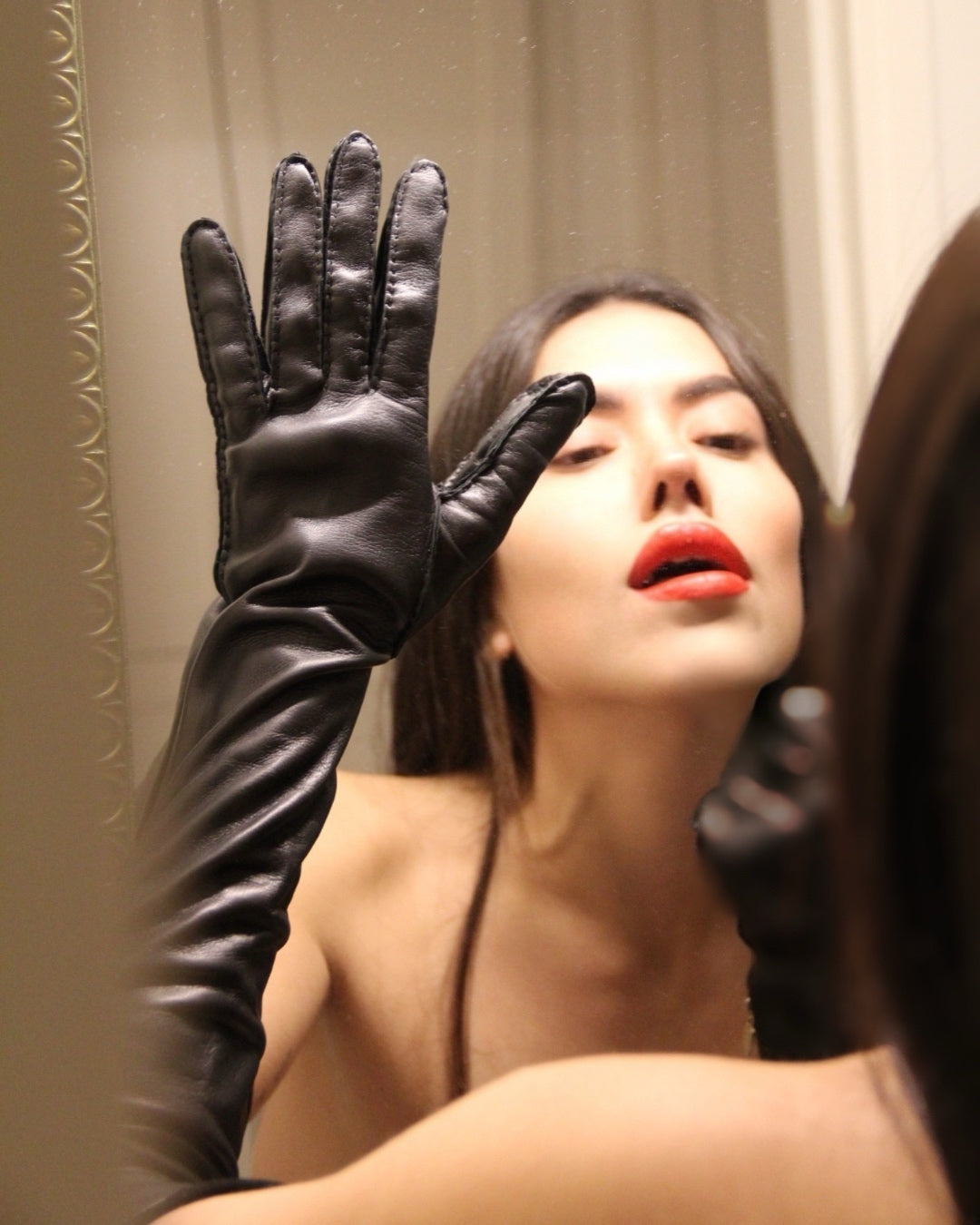
A glove, at its best, does not disguise.
It gives form.
It can sharpen a gesture, lengthen a silence, change the weight of an arm resting on a table. It can turn the hand into punctuation. It can make the body speak with more precision, less apology.
That is why a glove is never only decorative.
Decoration asks to be looked at.
Character asks to be understood.
A long glove carries this tension clearly. It covers the hand, yet makes it more visible. It creates distance, yet draws the eye closer. It suggests refinement, but also control.
Nikita belongs to that contradiction.
She does not soften the woman who wears her. She does not sweeten the role. She gives shape to something already present, and makes it harder to misread.
To wear a glove like Nikita is not to become someone else.
It is to refuse a role that is too small.
The right object does not invent the woman. It recognizes her scale.
A role can be assigned.
A role can be performed.
But a role can also be claimed.
And once it is claimed, it stops being costume. It becomes authorship.
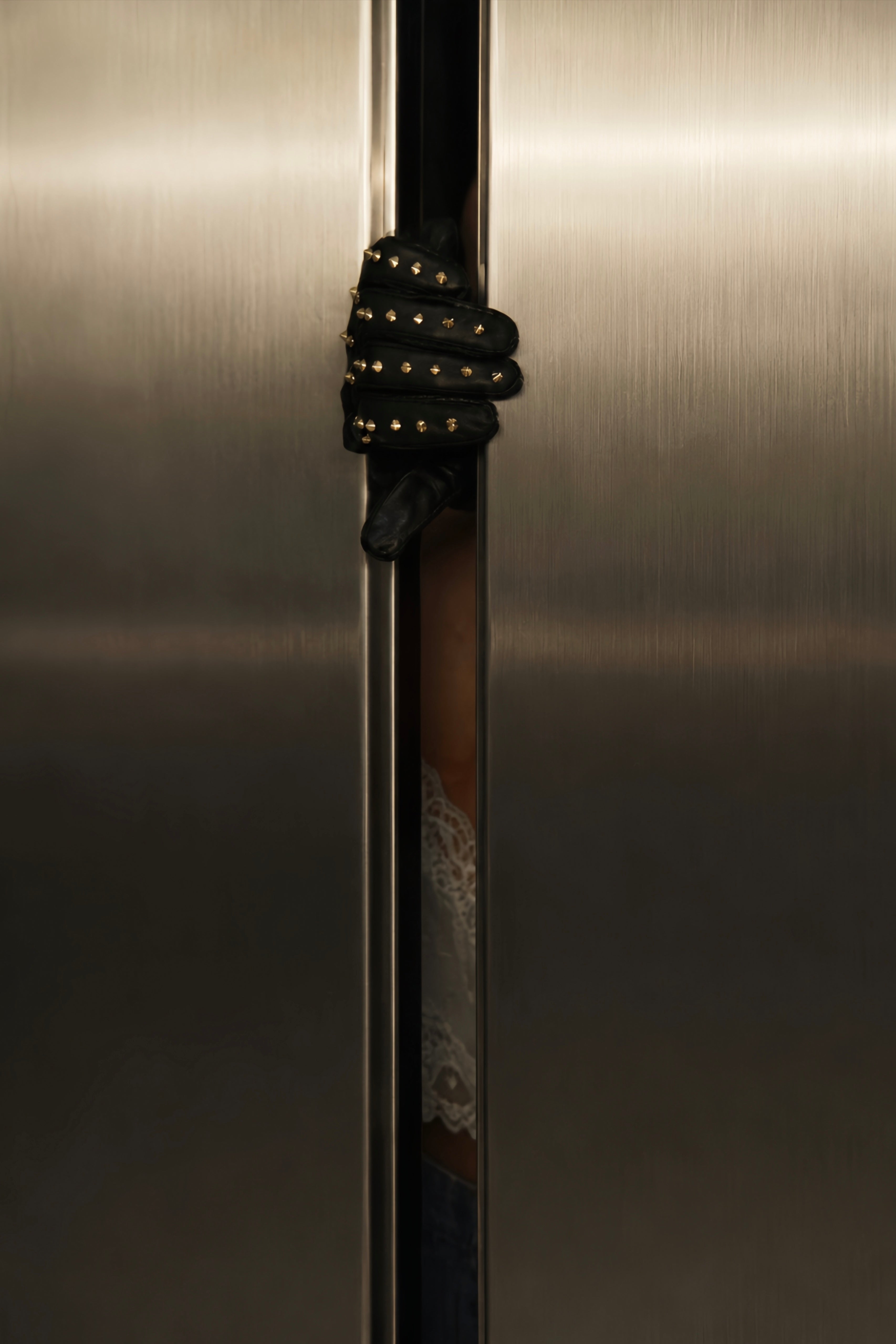
Some gloves complete a look.
Others make it clear who owns the part.

Leave a comment
This site is protected by hCaptcha and the hCaptcha Privacy Policy and Terms of Service apply.